For companies and engineering teams that need custom electronics, fast.
Describe the board in one sentence or a full spec. The pipeline picks the parts, reads their datasheets and delivers the schematic, simulations, PCB and fab files in hours of pipeline time instead of weeks of manual work, checked by nine independent gates.
7 complete KiCad projects with fab files and reports · zip, 22 MB · or open one in the browser
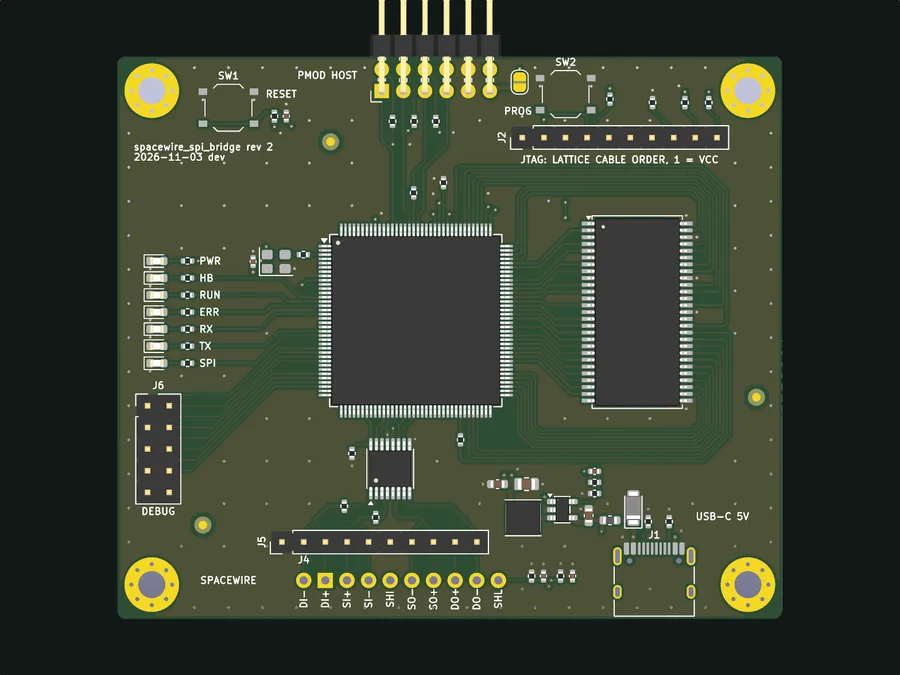
Test run 10 · Space EGSE · FPGA · memorySpaceWire to SPI bridge
Layers4
Size78 × 66 mm
Parts93
Nets157
Largest packageTQFP-144
Smallest part0402
Vias284
Agent time≈ 4.3 h
ChecksERC 0 · DRC 0
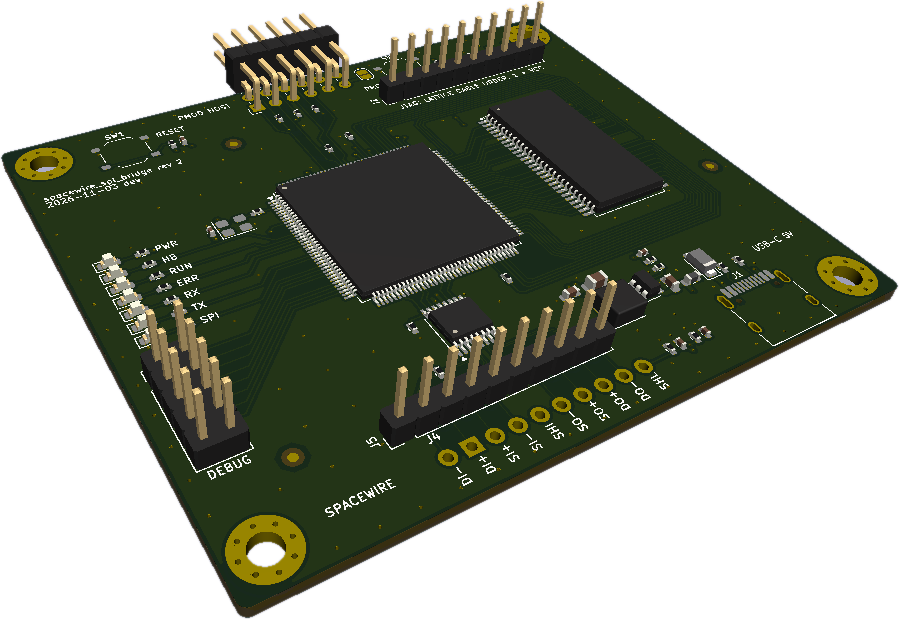
FPGAMachXO2-7000HC · TQFP-144
Buffer32 MB SDRAM · 100 MHz
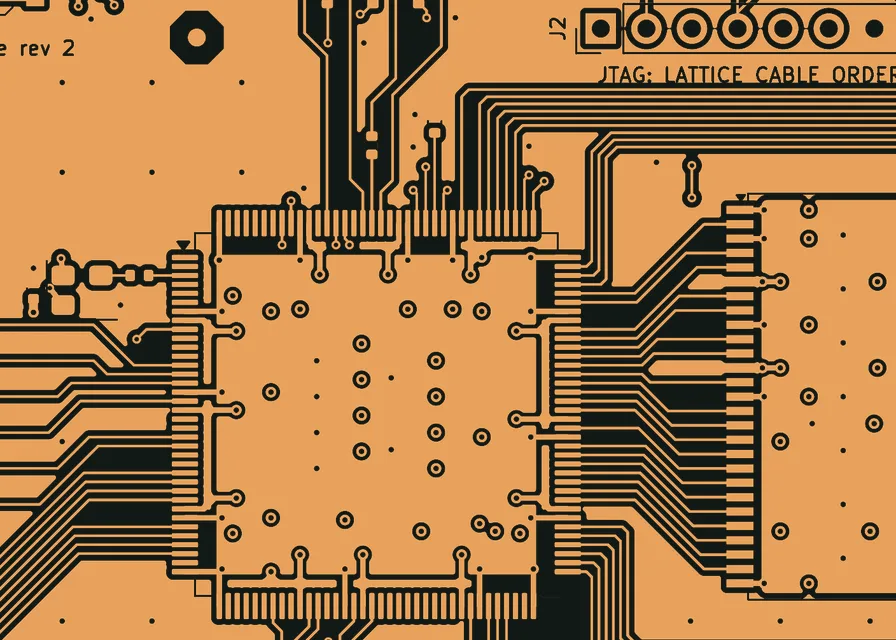
ImpedanceLVDS 100.0 Ω · SE 50.1 Ω
One prompt. The whole project.
Not only the board: the pipeline finds the parts, reads their datasheets, draws the schematic, then routes, simulates and checks the PCB.
Prompt · test run 10
Make me an SPI ⇄ SpaceWire adapter on an FPGA with a FIFO buffer. SpaceWire up to 100 Mbit/s, SPI to the host MCU. Separate power rails, powered from USB Type‑C. Choose the parts yourself.
The real prompt, translated. Written in two minutes; ten words or a full spec work too.
Parts the pipeline chose
- MachXO2-7000HC FPGA
- W9825G6KH 32 MB SDRAM
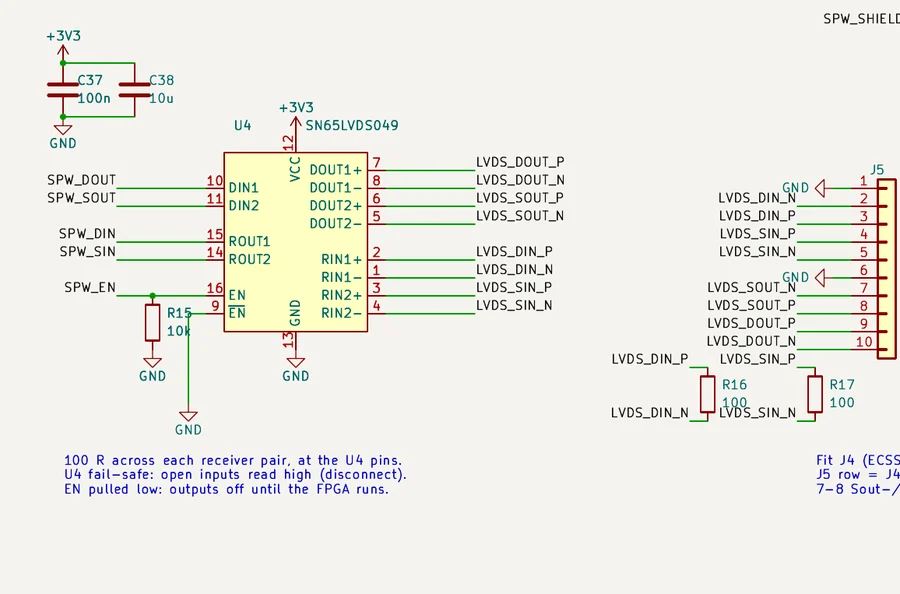
- SN65LVDS049 LVDS PHY
- TLV62569 3.3 V buck
You describe it. You get the release.
A short promptOne sentence or a full spec of what the board must do. A fixed price and date within one working day.
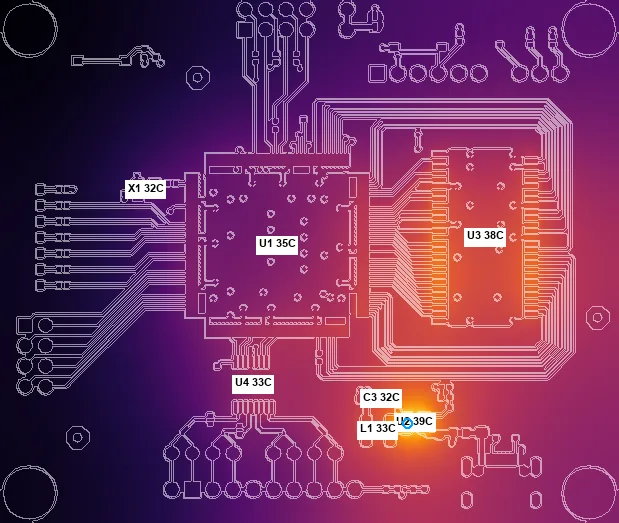
Design, checks, physicsRuns on our servers around the clock, or locally on your own hardware with a local model. You approve each checkpoint online.
The whole projectKiCad project, Gerber, BOM, pick-and-place, reports. Change it later with a second prompt.
Why teams choose ZeroErrata.
Boards without hiring
Schematic and layout capacity when your team has none to spare. Several boards run in parallel, around the clock.
Weeks become hours
A board a contractor quotes in weeks comes back in hours. Firmware and test start sooner; two or three iterations fit where one did.
Checked, not trusted
Nine independent gates and physics models decide, not the model. Every board rebuilds byte for byte, and an engineer signs off.
Power, RF, FPGA, wireless.
Test runs the pipeline took from a prompt to a release. Not yet manufactured.
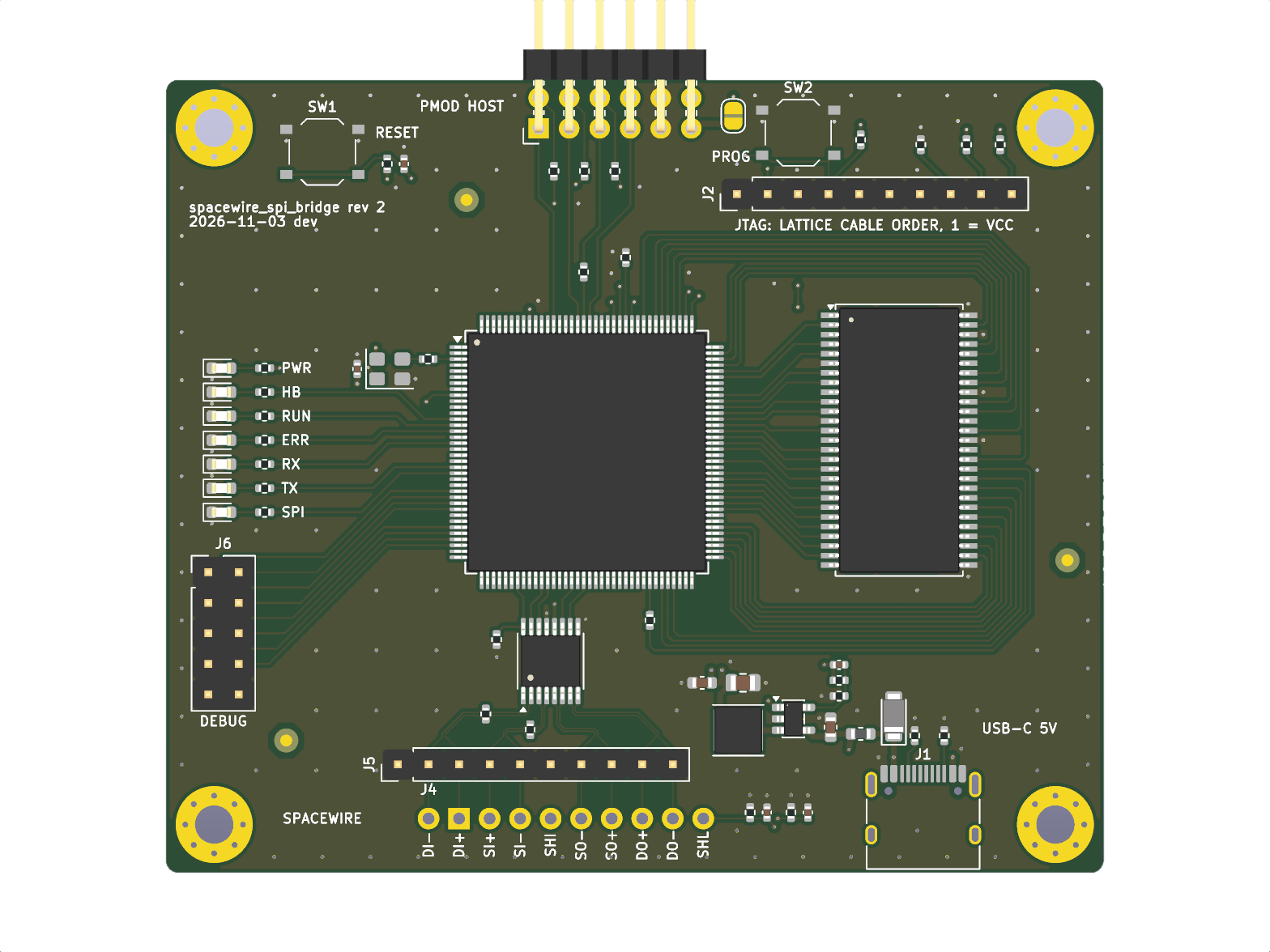
FPGA + memory
SpaceWire to SPI bridge
4 layers · 93 parts · 78 × 66 mm
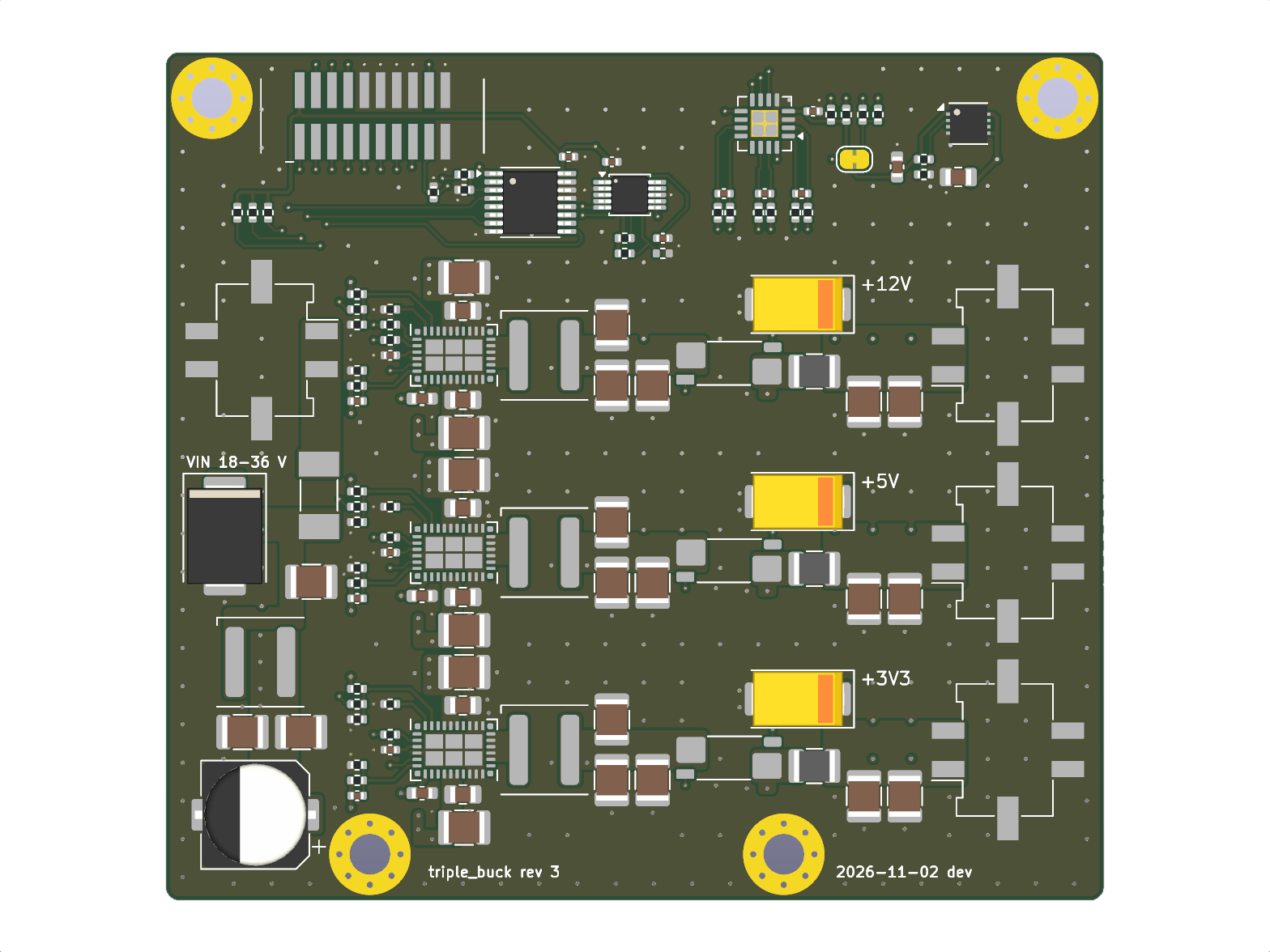
Power
Triple synchronised buck
6 layers · 119 parts · 73.6 × 66.6 mm
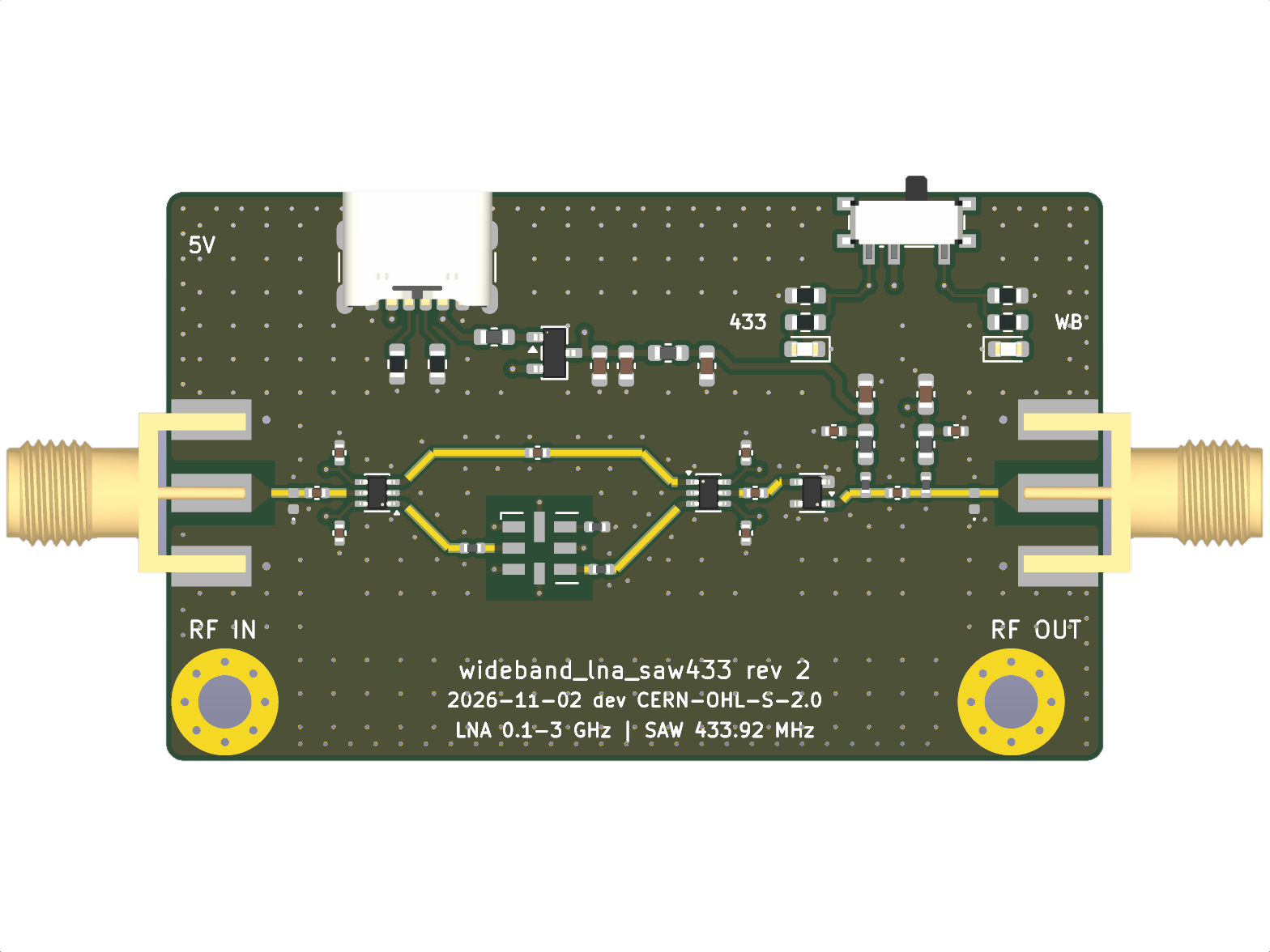
RF
Wideband LNA, 0.1–3 GHz
4 layers · 43 parts · 56 × 34 mm
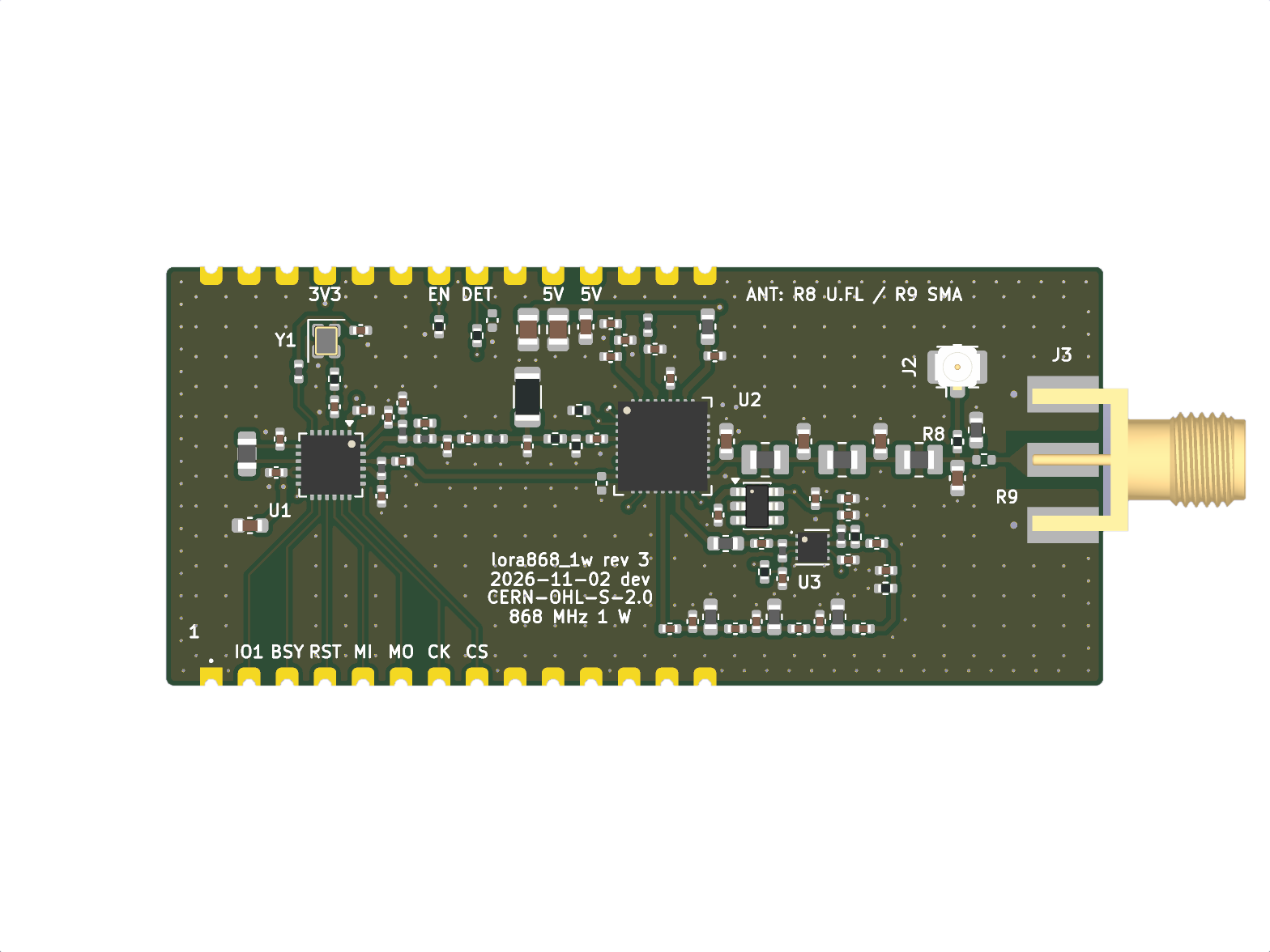
RF · IoT
LoRa 868 MHz 1 W module
4 layers · 83 parts · 62.65 × 28 mm
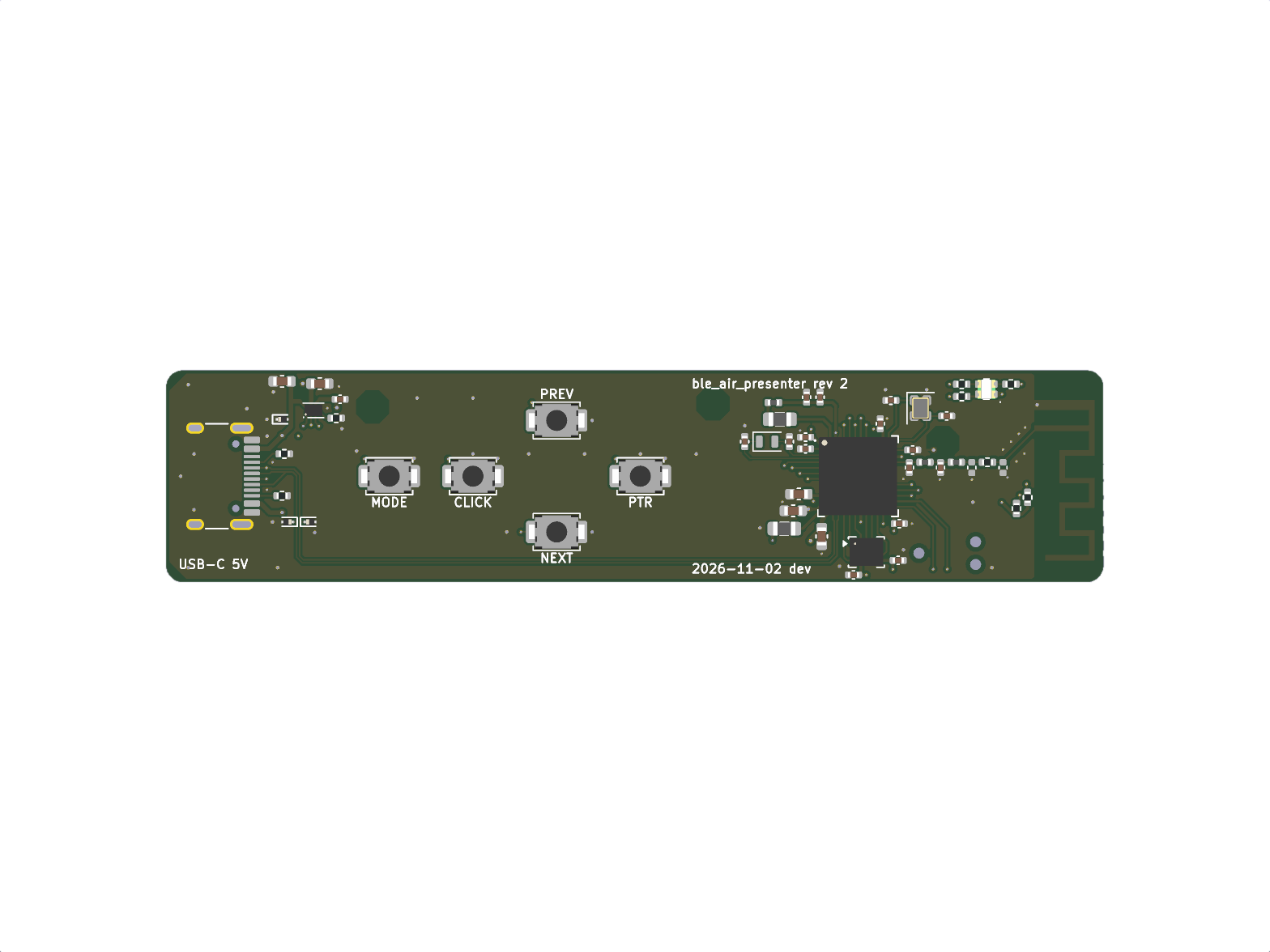
Wireless product
BLE air-mouse presenter
4 layers · 63 parts · 84 × 19 mm
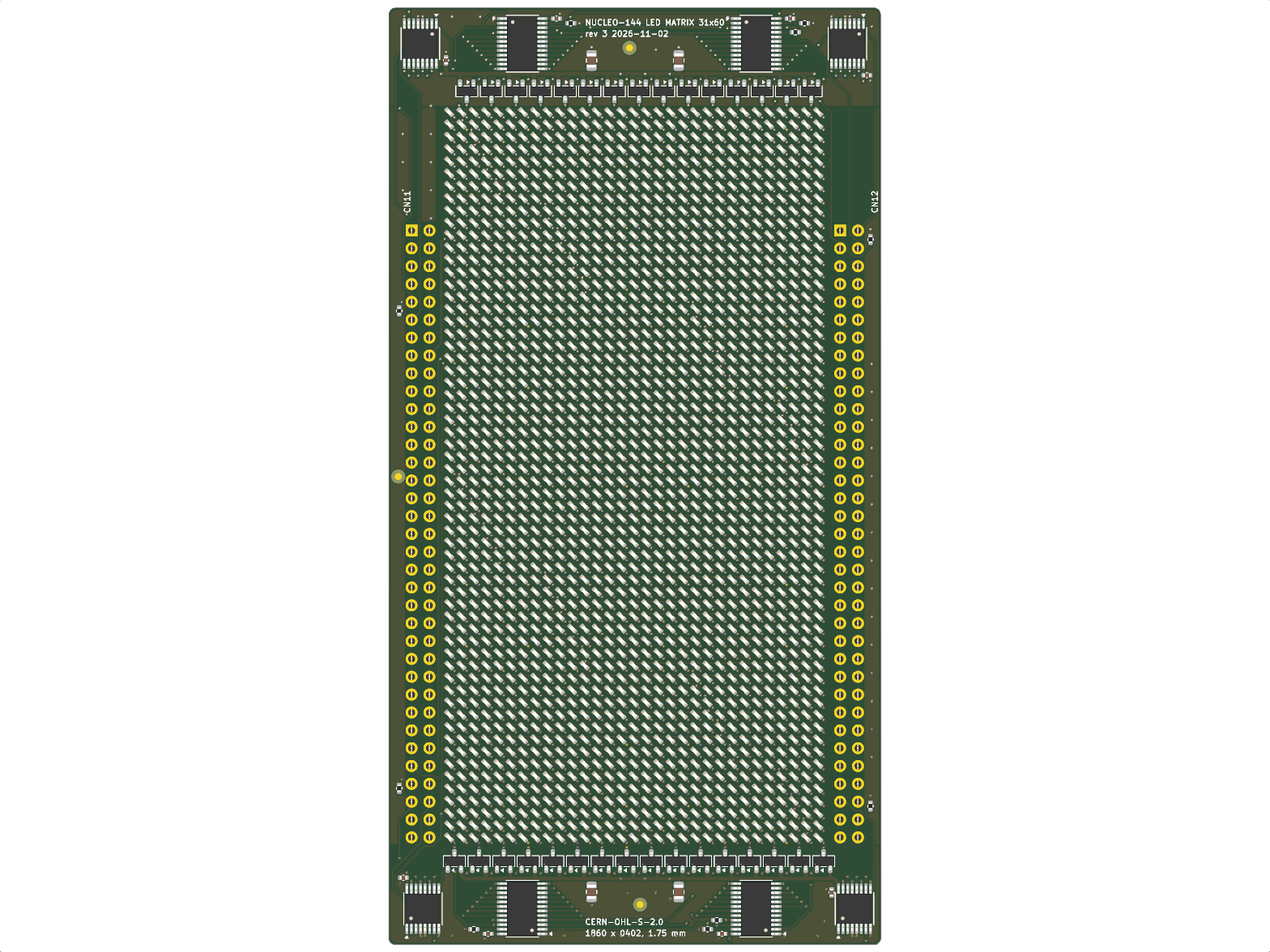
Dense layout
1860-LED matrix shield
4 layers · 1923 parts · 70 × 133.4 mm
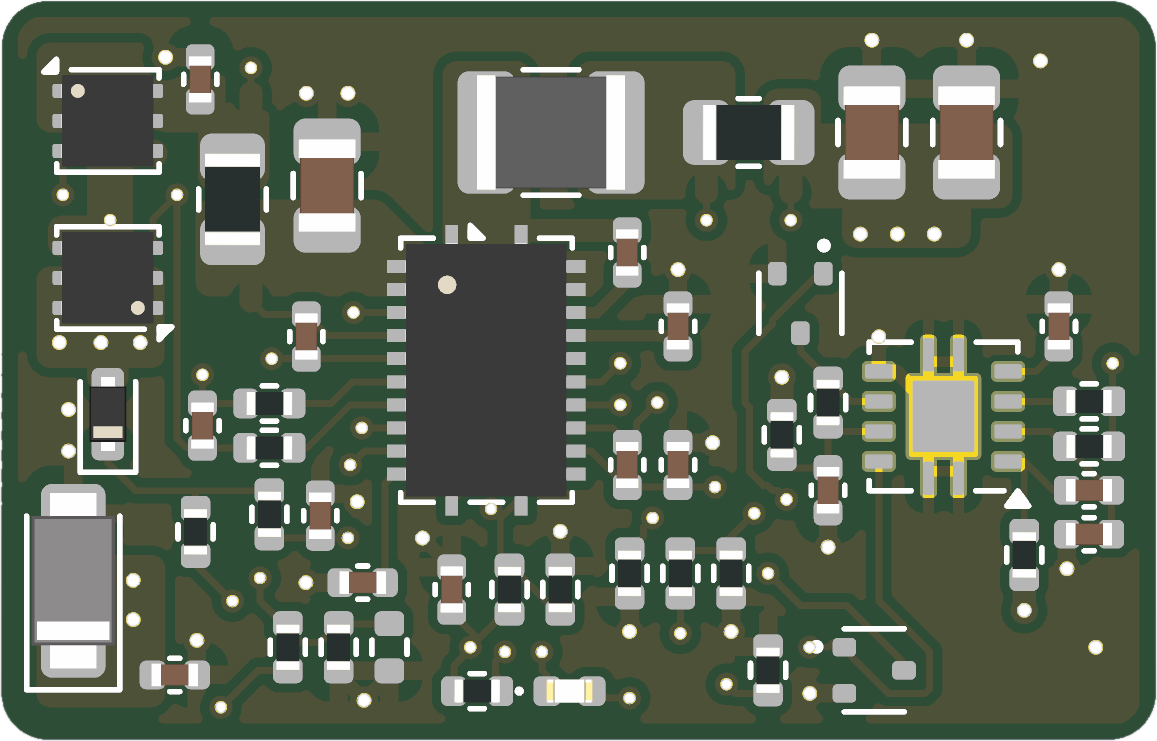
Power · miniature
2S Li-ion charger, 2 A
4 layers · 49 parts · 25 × 16 mm
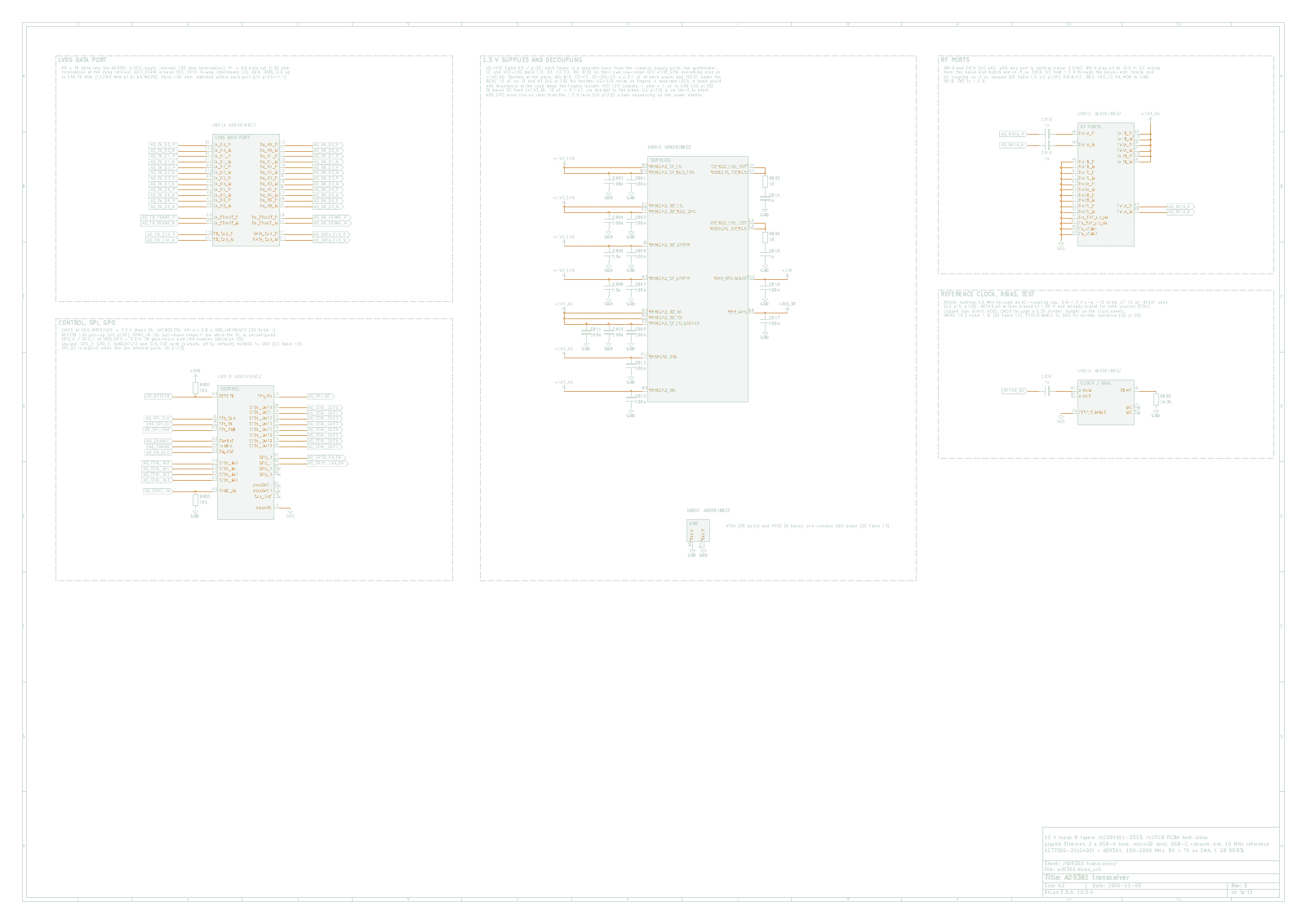
In progress · test run 11
Zynq + AD9361 SDR
8 layers · BGA · DDR3L
Is this just AI drawing boards?
No. The AI writes and runs build scripts; it does not edit the board by hand. Nine deterministic gates decide whether a board ships, and an experienced hardware engineer, ours or yours, approves every stage. The model can be replaced; the checks stay.
Why not just ask ChatGPT, Gemini or Claude?
You can, and any of them will draw a board. What none of them does on its own is prove it. Here every board is built from scripts, measured by nine independent checks and physics models, rebuilt byte for byte, and signed off by an engineer. The model is one replaceable part; the checks are the product.
Why not Flux, Quilter, Diode, CELUS or Circuit Mind?
They are good tools, and each covers its own part of the job. Flux is a PCB editor in the browser with an AI assistant: your team still does the design. Quilter lays out a board from your finished schematic. CELUS and Circuit Mind help with the architecture, the choice of parts and the schematic. Diode Computers designs boards with its own platform. We deliver the whole project as a service, from a short prompt to a checked release: parts, schematic, simulations, PCB and fab files, in native KiCad that you own and can open without us. And we are in the EU: Flux, Quilter and Diode are US companies, while we work under EU law, sign your NDA here, and keep your files on our own servers in the EU.
Can I get it in Altium or another tool?
Yes. The KiCad project imports into Altium Designer through its KiCad importer; we have checked it. Gerber, drill, STEP, IPC-2581 and ODB++ open in any CAD or CAM tool, and the BOM and placement files go to any assembler.
Who owns the design?
You do, once it is paid: KiCad files, scripts, release package and decision log. We sign your NDA before you send the requirements.
Has a board been manufactured?
Not yet. Releases are verified by checks, models and simulation. The first boards are ordered through the pilots, and their photos and measurements will be published here.
Can it do my board?
Send the requirements and we tell you within one working day, together with the quote. If the whole board is not a fit yet, the pipeline can still take one part of it: only the schematic, or the PCB from your schematic. Send requirements →
Can I change it afterwards?
Yes. A second prompt changes it: move or swap parts, add a connector, change a rail. The pipeline rebuilds the project and runs every check again.
Can it follow a standard, and what documentation do I get?
Yes. Name it in the prompt or upload it: EMC rules, IPC classes, creepage and clearance, your company's design rules. The pipeline turns it into rules and checks the board against them. Formal certification is done by a test lab. Documentation comes with every project: a design report, the decision log and a datasheet-style board brief, in the format of the standard you name.
Where does my data go?
Each project lives in its own private repository, stored on our server in the EU, and we sign your NDA before you send the requirements. Project data is kept for 14 days after delivery unless we agree otherwise, and it is never used to train AI models. On request, the whole pipeline runs on your own hardware, or on a dedicated server we provide.
Quote
Send your requirements.
A fixed price and date within one working day.